
Your travel guide to Tanzania: safari, sea, and summit
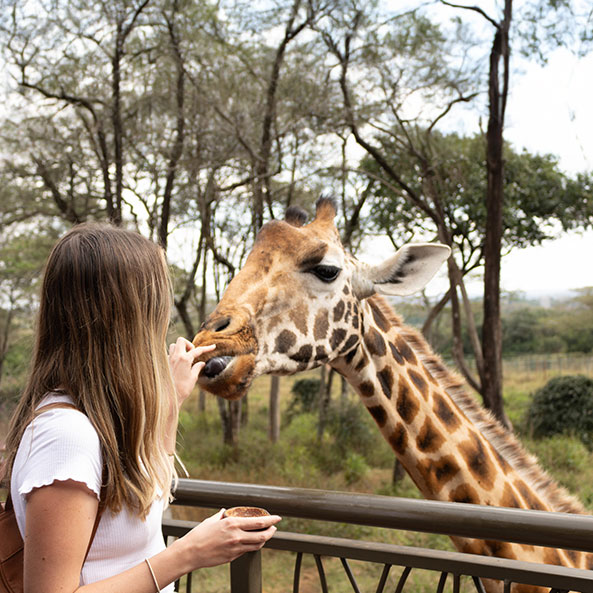
Tanzania is the heavyweight champion of African tourism. It is where the cliché of “The lion king” comes to life, where snow-capped peaks defy the Equator, and where the Indian Ocean meets ancient spice routes.
But Tanzania is also vast, logistically complex, and expensive. This guide cuts through the noise to help you plan the trip of a lifetime.
Where to go: three areas of interest
Most travelers underestimate the size of Tanzania. To maximize your time, focus on one of these three primary circuits.
The Northern circuit (classic safari)
This is the most popular route, offering the highest concentration of wildlife. You will find:
- Serengeti National Park: famous for the Great Migration and endless plains.
- Ngorongoro Crater: a UNESCO World Heritage site. It’s a volcanic caldera teeming with the “Big five“. It is small enough to see in one day.
- Tarangire National Park: famous for massive elephant herds and Baobab trees.
- Lake Manyara: known for tree-climbing lions and flamingoes.
The spice island: Zanzibar
Usually, an add-on after a dusty safari, Zanzibar is a semi-autonomous archipelago off the coast.
- Stone Town: a maze of alleyways, history, and Swahili culture. Here you can continue reading about Stone Town.
- Nungwi & Kendwa (North): best for swimming because the tide doesn’t recede too far.
- Paje & Jambiani (East): best for kite-surfing and chilling, though the tide goes out nearly 1 mile (1.6 km).
The summit: Mount Kilimanjaro
The “roof of Africa” stands at 19,341 feet (5,895 m). Most popular climbing routes are:
- Machame Route: the “Whiskey” route. Scenic, steeper, better for acclimatization. It takes 6–7 days.
- Marangu Route: the “Coca-Cola” route. Uses huts instead of tents. Often underestimated; it has a lower success rate due to rapid ascent.
On our guide, learn more about the best time to climb it.
Timing: chasing the Great Migration
The Wildebeest Migration is a continuous cycle, not a one-time event. If you want to see the herds, you must be in the right place at the right time.
- January – March (the calving season): at Southern Serengeti & Ndutu the herds give birth. Great for seeing predator action (big cats hunting calves).
- April – May (the long rains): at Central/Western Serengeti, with heavy rains, muddy roads, but lush green landscapes and fewer tourists.
- June – July (the rut): mating season begins at Western Corridor.
- August – October (the river crossings): at Northern Serengeti, the dramatic crossings where herds face crocodiles. High season pricing applies.
- November – December (short rains): moving South again.
Money matters: the "clean note" policy
Tanzania is a cash-heavy society for small purchases, though lodges take credit cards (often with a 5% surcharge).
U.S. Dollars are the preferred foreign currency, but they must be printed after 2009. older bills are often rejected by banks and exchanges due to past counterfeiting issues. Ensure your bills are crisp, clean, and un-torn.
Tipping guidelines (per group)
Zohar exclusively collaborates with safari guide-drivers with over 5 years of experience. Many of these guides have previously worked on National Geographic documentaries or at high-end luxury lodges, earning them recognition as some of the finest safari guides in East Africa.
Our guides possess outstanding communication skills, a friendly and approachable demeanour, and adhere to high professional standards. They are adept in various safety procedures and can promptly address any challenges that may arise while navigating the rugged bush terrain.
Tipping is expected and is a significant part of wages.
- safari guide: $18 – $25 per day.
- cultural and activities guides: put $10 – $15 per day in the “general staff tip box” at reception.
For more information, read our FAQ session about money and tipping.
It’s important to emphasise that the tour guide significantly influences your safari experience by ensuring it is enjoyable and secure and offering valuable insights.
Travel insurance
We strongly recommend purchasing travel insurance that includes coverage for trip cancellations, flight cancellations, lost or stolen luggage, or any other incidents that may affect your safari, as well as coverage for damaged property. It is also important to have international medical insurance.
While some travel insurance policies also cover medical needs, having insurance that covers all aspects of your trip as well as medical expenses is essential.
Please note that all guests of Zohar African Safaris are covered for immediate emergency evacuation by Flying Doctors from any location. However, it’s important to understand that this insurance only covers the evacuation and transportation by Flying Doctors from the evacuation point to the hospital door.
Therefore, it is essential to have international medical insurance to cover hospital bills. While the likelihood of needing this assistance is low, it’s better to be safe than sorry. Rest assured, our team will be available to assist you in any way we can.
The "bush plane" luggage rule
If your itinerary involves flying between parks (e.g., Serengeti to Zanzibar) on light aircraft like Cessnas, strict luggage rules apply.
Total weight often capped at 33 lbs (15 kg), including your carry-on/camera bag. Hard-shell suitcases are often refused because they cannot be squashed into the plane’s cargo pod. You need a duffel bag or backpack.
Always check with your baggage allowance with your airline before leaving home.
For more tips about luggage, check our packing list blog and also what to wear.
Health, safety & other regulations
Tanzania has banned single-use plastic bags. Do not pack shoes or laundry in plastic bags. You may be fined at the airport. Ziploc bags for toiletries are generally tolerated if you take them back home with you, but mesh packing cubes are safer.
Vaccinations
Yellow fever
Routine vaccines for African travel include protection against chickenpox, measles, polio, influenza, measles, diphtheria, mumps and rubella, pertussis, and tetanus. Additionally, a “booster-shot” for Meningitis or Rabies is advisable.
If you are traveling directly from the US or Europe, it is usually not required. The government of Tanzania may require proof of yellow fever vaccination upon arrival if you are travelling from a country with risk of yellow fever.
However, if you have a layover greater than 12 hours in a yellow fever endemic country (like Kenya or Ethiopia), you must show a vaccination card upon entry.
Malaria
Malaria is widespread throughout Kenya with the exception of high-altitude areas. As Malaria medications vary from country to country, make sure your physician knows you will be travelling to Kenya. We recommend taking malaria pills a few days prior to your trip and a few days after you are back home.
HIV/AIDS is no more a problem in Tanzania than anywhere else in the world. Provided you are not taking undue risks, you have nothing to worry about.
In case of needing any medical attention, Tanzania has qualified nurses and doctors. Most camping sites, lodges, and hotels have on-site physicians and if your condition is serious, we are in constant contact with the Flying Doctors Service that can evacuate you to a nearby medical facility.
The Tsetse Fly
These flies are found in the bush (especially Tarangire) and have painful bites. Avoid: dark blue and black clothing. These colors attract them. Choose instead khaki, olive, tan, and light browns. More on our “what to wear” blog.
Cultural etiquette
Aim for dressing with sobriety. On safari shorts and t-shirts are fine.
In coastal sites like Zanzibar (Stone Town) & villages, have in mind they are conservative Muslim region. Women should cover shoulders and knees. Men should avoid walking around shirtless outside the beach.
Our “what to wear” article provide more details.
Ask before clicking
The Maasai people are visually striking, but they are not tourist attractions. Always ask for permission before taking a photo. Often, you may be asked to pay a small tip for the photo.
Never photograph military personnel, police, borders, or government buildings. This is a rule of thumb everywhere.
Packing checklist
Remember to pack the following items:
- passport: valid for at least 6 months past your departure date.
- visa: apply for the E-Visa online 2–3 weeks before travel to avoid long queues at Kilimanjaro (JRO) or Dar es Salaam (DAR) airports.
- binoculars: essential. You will regret not having your own pair.
- universal adapter: Tanzania uses Type G (British style) and Type D (Old British style).
- layers: early morning game drives are freezing (often 50°F / 10°C) while mid-afternoons are hot (85°F / 30°C). Bring a fleece, a windbreaker, and zip-off trousers.
- sun protection: the equatorial sun is harsh. High SPF, sunglasses, and a wide-brimmed hat are mandatory.
We have a comprehensive packing list article with further information.
Karibu Sana! (you are very welcome)
Planning a trip to Tanzania involves a lot of logistics, spreadsheets, and difficult choices. But once your boots hit the red dust of Arusha, the spreadsheets dissolve.
Tanzania is not a zoo; it is a wild, unpredictable ecosystem. You will experience the famous “African massage” (the rattling of your bones as the jeep bounces over corrugated dirt roads for 50 miles / 80 km). You might get stuck in the mud during the rain, or you might wait hours to see a leopard that never shows up.
Embrace these moments. In Tanzania, the phrase you will hear most often is pole pole (pronounced poh-lay poh-lay), which means “slowly, slowly.” It is the rhythm of the mountain, the pace of the elephant herds, and the lifestyle of the coast.
Don’t just come for the photos of the big five. Come for the silence of the Serengeti at dawn, the chaos of the Stone Town markets, and the warmth of the Tanzanian people who will greet you with a genuine smile and a loud “Jambo!”
Pack light, tip tailored to gratitude, and travel with an open mind. Tanzania doesn’t just offer a vacation; it offers a new perspective.
To receive full support to your trip, contact our team that will be delighted to plan every detail of your journey.
Safari njema! (safe travels!)